








| Tony Ridley, London Underground chief RIP Posted by ChrisB at 20:47, 12th May 2026 |     |
From Telegraph Obituaries
Tony Ridley, London Underground chief who was forced to resign after the 1987 King’s Cross fire
Tony Ridley, who has died aged 92, created the Tyne & Wear Metro and Hong Kong’s Mass Transit Railway, and initiated the planning to cope with the near-tripling of passengers on the London Underground since the early 1980s.
But he was forced to resign as chief executive of LU in the wake of the King’s Cross fire of November 19 1987, which killed 31 people, being blamed for the absence of a fire safety culture within the organisation.
The Tube’s safety record was relatively good despite ageing infrastructure and arcane working practices; until the fire, which began beneath an escalator, there had – apart from the 1975 Moorgate disaster, the cause of which has never been identified – been just four passenger fatalities in 43 years. But a rigid commitment to safety on the track had not been matched elsewhere.
After hearing evidence for 91 days, in November 1988 Desmond Fennell QC concluded that a lighted match dropped on to the escalator in breach of a ban on smoking had started the fire, which flared up because of a previously unknown “trench effect”.
Fennell’s report accused management of complacency: station staff received little or no fire training, and were under instructions only to dial 999 once a blaze was out of control. Fennell blamed Ridley and Sir Keith Bright, chairman of London Regional Transport, for the culture that had allowed the disaster to happen.
The Transport Secretary, Paul Channon, handed them copies of the report and invited them to consider their positions. Bright resigned on the spot; Ridley had to be persuaded by his staff.
His resignation was an unfortunate end to a progression of jobs in which he had demonstrated a flair for identifying demand for public transport and devising projects to meet it. Even at LU, he had not only begun catching up on a 50-year backlog of maintenance and renewals, but had helped launch the Docklands Light Railway.
Tony Melville Ridley was born in Sunderland on November 10 1933, the son of John Ridley, a mining engineer, and his wife Olive. From Durham School he took a BSc at Kings’ College, Newcastle, then postgraduate degrees at Northwestern University (Illinois), and Berkeley. A spell at Stanford followed, then after five years at the Nuclear Power Group he joined the University of California in 1962.
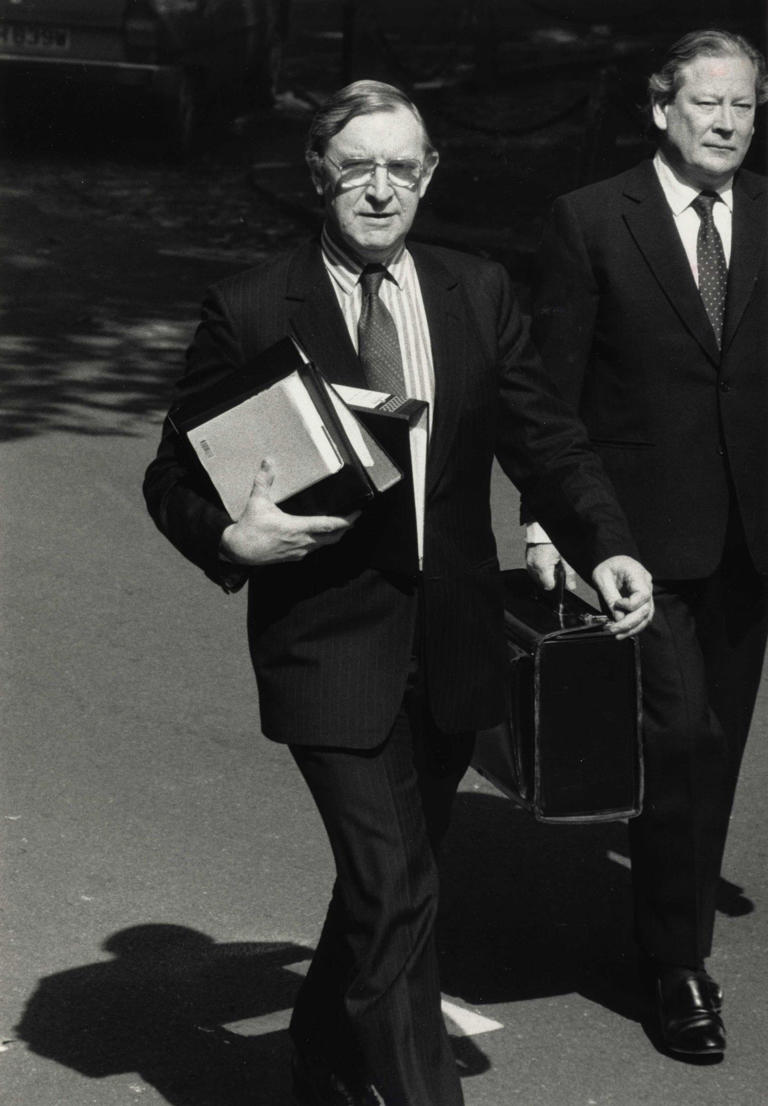
Three years later, the Greater London Council recruited Ridley as its highways and transportation research officer. Sir Bill Fiske, the GLC’s Labour leader, said he had “reversed the brain drain”.
In 1969 Ridley became chief executive of the newly formed Tyne & Wear Passenger Transport Executive. Councillors expected him to concentrate on merging three loss-making municipal bus undertakings, but he saw a bigger opportunity.Newcastle possessed a commuter rail network, including a circular route to the coast, but usage had declined to the point where British Rail had replaced electric trains with diesels. Ridley proposed converting it to light rail, with bus interchanges.
Civic leaders rallied behind the scheme, and through Ridley’s Whitehall contacts secured £50 million to design and build the Metro. His enthusiasm enabled Tyneside to leapfrog other conurbations, like Manchester, with metro plans of their own.
Ridley’s successor recalled: “BR decided to pull out all the stops with a scheme of its own and presented it to the Transport Minister John Peyton one Monday morning – only to discover he had awarded us the grant the previous Friday.” Metro opened in 1980; it now has 60 stations, carries more than 100,000 passengers a day and is still expanding.
In 1974 Ridley was headhunted to take charge of Hong Kong’s MTR, on which work was about to begin. He planned for its operational and commercial success, and the first train ran in 1979. MTR became one of the world’s busiest and most profitable metros, with lucrative property developments at its stations.
Ridley left Hong Kong in March 1980 to become joint managing director of the civil engineers Halcrow. Four months later he was appointed Managing Director (Railways) at London Transport.
At Hong Kong MTR, Ridley said, “I was managing director of 3,000 people and a brand new company where every decision was a precedent. At LT the general view was: ‘Any bloody fool can build a new railway in Hong Kong, but running one 100 years old is a real man’s job.’ ”
Tony Ridley, who has died aged 92, created the Tyne & Wear Metro and Hong Kong’s Mass Transit Railway, and initiated the planning to cope with the near-tripling of passengers on the London Underground since the early 1980s.
But he was forced to resign as chief executive of LU in the wake of the King’s Cross fire of November 19 1987, which killed 31 people, being blamed for the absence of a fire safety culture within the organisation.
The Tube’s safety record was relatively good despite ageing infrastructure and arcane working practices; until the fire, which began beneath an escalator, there had – apart from the 1975 Moorgate disaster, the cause of which has never been identified – been just four passenger fatalities in 43 years. But a rigid commitment to safety on the track had not been matched elsewhere.
After hearing evidence for 91 days, in November 1988 Desmond Fennell QC concluded that a lighted match dropped on to the escalator in breach of a ban on smoking had started the fire, which flared up because of a previously unknown “trench effect”.
Fennell’s report accused management of complacency: station staff received little or no fire training, and were under instructions only to dial 999 once a blaze was out of control. Fennell blamed Ridley and Sir Keith Bright, chairman of London Regional Transport, for the culture that had allowed the disaster to happen.
The Transport Secretary, Paul Channon, handed them copies of the report and invited them to consider their positions. Bright resigned on the spot; Ridley had to be persuaded by his staff.
His resignation was an unfortunate end to a progression of jobs in which he had demonstrated a flair for identifying demand for public transport and devising projects to meet it. Even at LU, he had not only begun catching up on a 50-year backlog of maintenance and renewals, but had helped launch the Docklands Light Railway.
Tony Melville Ridley was born in Sunderland on November 10 1933, the son of John Ridley, a mining engineer, and his wife Olive. From Durham School he took a BSc at Kings’ College, Newcastle, then postgraduate degrees at Northwestern University (Illinois), and Berkeley. A spell at Stanford followed, then after five years at the Nuclear Power Group he joined the University of California in 1962.
Three years later, the Greater London Council recruited Ridley as its highways and transportation research officer. Sir Bill Fiske, the GLC’s Labour leader, said he had “reversed the brain drain”.
In 1969 Ridley became chief executive of the newly formed Tyne & Wear Passenger Transport Executive. Councillors expected him to concentrate on merging three loss-making municipal bus undertakings, but he saw a bigger opportunity.Newcastle possessed a commuter rail network, including a circular route to the coast, but usage had declined to the point where British Rail had replaced electric trains with diesels. Ridley proposed converting it to light rail, with bus interchanges.
Civic leaders rallied behind the scheme, and through Ridley’s Whitehall contacts secured £50 million to design and build the Metro. His enthusiasm enabled Tyneside to leapfrog other conurbations, like Manchester, with metro plans of their own.
Ridley’s successor recalled: “BR decided to pull out all the stops with a scheme of its own and presented it to the Transport Minister John Peyton one Monday morning – only to discover he had awarded us the grant the previous Friday.” Metro opened in 1980; it now has 60 stations, carries more than 100,000 passengers a day and is still expanding.
In 1974 Ridley was headhunted to take charge of Hong Kong’s MTR, on which work was about to begin. He planned for its operational and commercial success, and the first train ran in 1979. MTR became one of the world’s busiest and most profitable metros, with lucrative property developments at its stations.
Ridley left Hong Kong in March 1980 to become joint managing director of the civil engineers Halcrow. Four months later he was appointed Managing Director (Railways) at London Transport.
At Hong Kong MTR, Ridley said, “I was managing director of 3,000 people and a brand new company where every decision was a precedent. At LT the general view was: ‘Any bloody fool can build a new railway in Hong Kong, but running one 100 years old is a real man’s job.’ ”
